

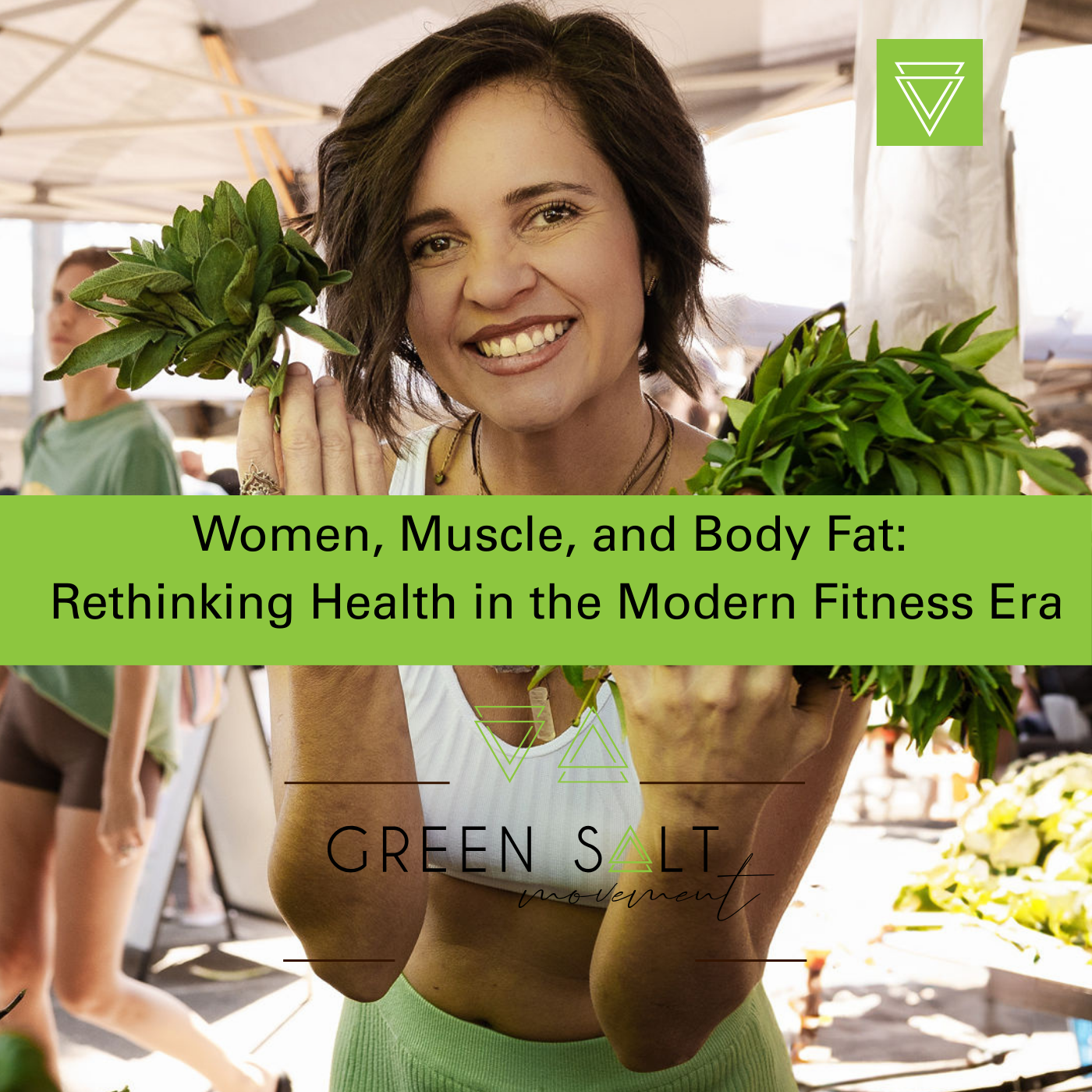
Women, Muscle, and Body Fat: Rethinking Health in the Modern Fitness Era
In modern fitness culture, women are often encouraged to achieve extremely low body fat (<12%) and high muscle, a physique modeled after male athletic ideals. Social media, fitness trends, and athletic ideals celebrate women at body fat levels previously almost exclusive to male athletes.
But for women, fat is not just cosmetic — it is a vital endocrine and metabolic tissue that supports hormones, reproductive function, bone health, and long-term metabolic resilience. Understanding how body fat interacts with physiology is important across all life stages, from young adulthood to post-menopause.
1. Body Fat and Fertility: Why ~18% Matters for Reproductive Health
For women of reproductive age, body fat plays a crucial role in estrogen and progesterone production, supporting ovulation and egg quality.
-
Body fat <16–18% can reduce leptin levels, signalling to the hypothalamus that energy availability is low.
-
This may impair ovulation, shorten luteal phase, or cause irregular cycles.
-
Fertility outcomes improve when functional body fat is above ~18%, ensuring healthy eggs and robust reproductive hormone signalling.
Being extremely lean may look fit, but it can compromise fertility in women planning pregnancy.
References:
-
Loucks, A. B., et al., Journal of Clinical Endocrinology & Metabolism
-
Mantzoros, C. S., New England Journal of Medicine
2. Low Body Fat Is Often Fine After Menopause
Once a woman is postmenopausal, the ovaries no longer produce eggs, and estrogen comes primarily from fat tissue via aromatization. In this context:
-
Body fat in the range of 12–18% can be healthy if muscle mass is adequate and energy intake is sufficient.
-
Hormonal function related to reproduction is no longer a concern, so lower fat does not impact fertility.
-
The main priority is maintaining muscle, bone, and metabolic health.
Postmenopause, low but functional fat combined with strong muscle can be protective rather than harmful.
References:
-
Chen, Y.-C., et al., PubMed
-
Journal of Bone and Mineral Research
3. Perimenopause and Midlife: Balancing Fat and Muscle
During perimenopause, fluctuating estrogen and declining progesterone make the body more sensitive to energy availability and body composition. Women with very low fat and inadequate muscle may experience:
-
Hot flashes and night sweats
-
Sleep disruption and anxiety
-
Hair thinning and skin dryness
Maintaining moderate fat (~18–25%) and strong muscle helps buffer hormonal swings and supports metabolic resilience.
References:
-
Bertoli, S., et al., PubMed
-
Frontiers in Endocrinology
4. The Problem With “Man-Like” Physiques
Extremely low body fat and high muscle may look strong, but the hormonal cost can be high:
-
Estrogen drops because fat tissue is the primary site for estrogen conversion
-
Progesterone production can falter
-
Leptin decreases → the brain perceives low energy availability
-
Cortisol rises → more stress and inflammation
-
Menstrual cycles become irregular or absent
Even pre-perimenopause, women with <16–18% body fat may experience fatigue, anxiety, poor sleep, and hormonal depletion if nutrition and recovery are inadequate.
From a Chinese Medicine perspective, this often reflects Kidney Yin + Blood deficiency with Liver Qi tension, signaling the body is pushed beyond its natural resilience.
5. Functional Body Fat Across the Life Span
Healthy, functional body fat differs depending on life stage:
-
Pre-fertility / reproductive age: ~18–24% (supports ovulation and egg quality)
-
Athletic women: 16–18% may be functional if energy, nutrition, and recovery are adequate
-
Perimenopause: ~18–26% (supports hormonal stability and resilience)
-
Postmenopause: 12–18% can be healthy if muscle mass is maintained
The key is functional fat, not extreme leanness, combined with muscle mass and energy availability.
6. Strength, Muscle, and Longevity
Regardless of age, muscle and metabolic resilience are more important than simply having low fat. Muscle:
-
Supports bone density and joint health
-
Maintains metabolic flexibility
-
Reduces inflammation
-
Protects cardiovascular and cognitive health
A woman with moderate fat and strong muscle is healthier and more resilient than a very lean, depleted woman.
7. Cultural Note
Today’s fitness culture encourages women to become more like men in physique. While strength and muscle are essential, chasing body fat below 12% is often unnecessary and potentially harmful, especially as women age. True female health balances muscle, moderate fat, and hormonal integrity.
References
-
Loucks, A. B., et al. “Effects of low energy availability on reproductive hormones and body composition in women.” Journal of Clinical Endocrinology & Metabolism, Mount Sinai School of Medicine.
-
Mantzoros, C. S., et al. “Leptin’s role in female reproductive function.” New England Journal of Medicine, University of Colorado Boulder.
-
Bertoli, S., et al. “Fat Mass Changes During Menopause: A Meta‑analysis.” PubMed.
-
Chen, Y.-C., et al. “Lower Central Fat Predicts Muscle Mass Loss in Menopausal Women.” PubMed.
-
Journal of Bone and Mineral Research — Associations between lean mass, fat mass, and bone health in postmenopausal women.
-
Frontiers in Endocrinology — Effects of exercise and resistance training on body composition in midlife and postmenopausal women.
Author Bio
Gabriela Essado, Dietitian & Integrative Nutritionist, bridges functional nutrition, Chinese Medicine, and embodied therapies to support women’s hormonal, metabolic, and nervous system health.

Written by Gabriela Essado Cardoso


%20and%20high%20muscle,%20a%20physique%20modeled%20after%20male%20athletic%20ideals.%20Social%20media,%20fitness%20trends,%20and...)
Leave a comment
This site is protected by hCaptcha and the hCaptcha Privacy Policy and Terms of Service apply.